The Luna Blog Drywall
DrywallDrywall Finishing Levels 1 to 5: What They Mean and Which One You Need
When drywall contractors talk about finishing levels, homeowners often nod along without fully understanding the difference. But the level you specify directly impacts the final look of your walls, and the cost of the job.
by Luna Drywall and Paint
Level 0 and 1: No Finish and Tape Only
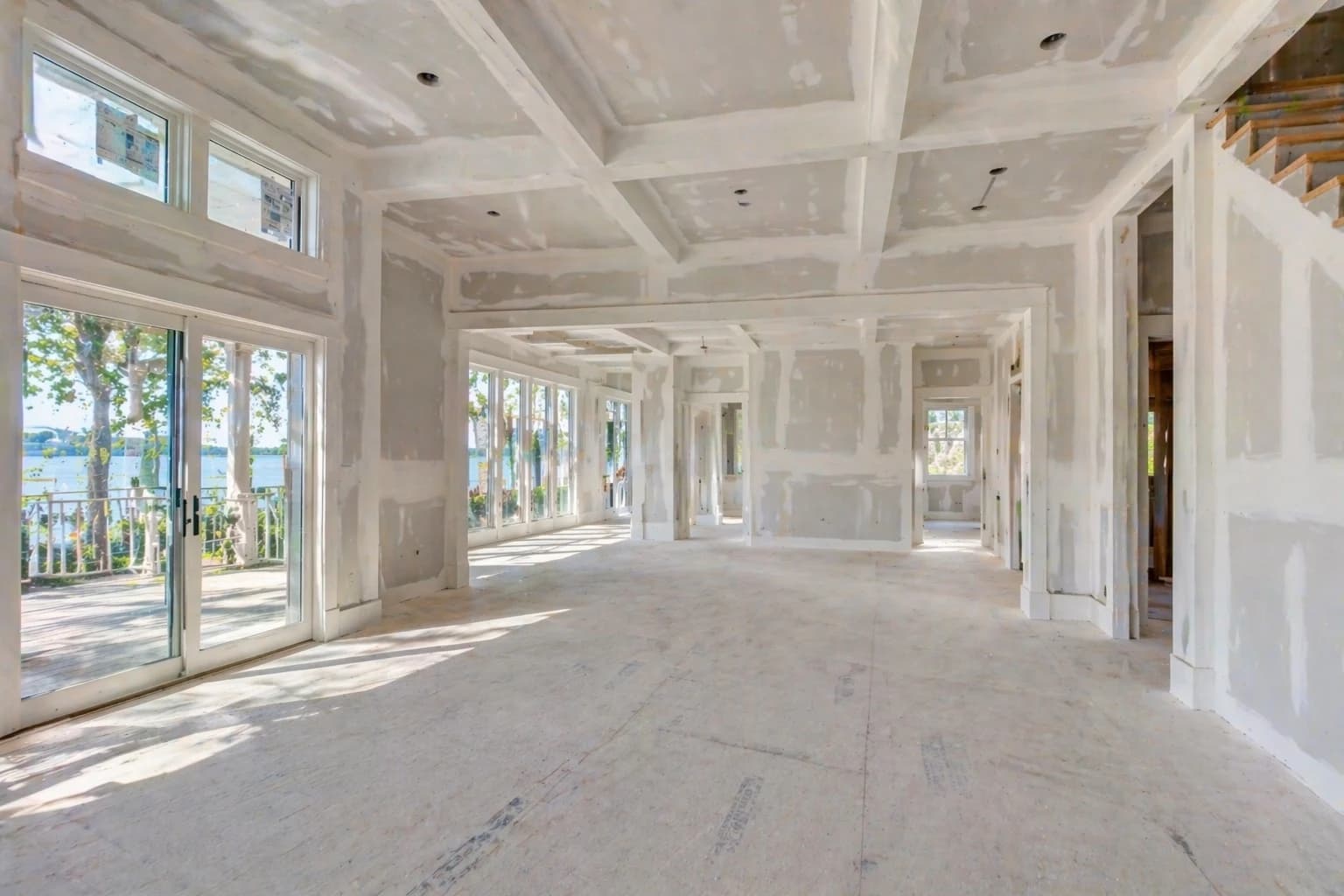
Level 0 means drywall is hung but nothing else is done, used only in temporary construction. Level 1 means joints are taped but not smoothed. Used in attics, service corridors, and areas above ceilings that will never be seen.
Levels 2 and 3, Skim and Standard
Level 2 applies a thin skim coat over tape, used in garages and areas that will receive heavy texture. Level 3 gives joints two coats of compound, appropriate for spaces that will receive medium or heavy textures. Neither is appropriate for smooth or flat paint finishes.
Level 4: Standard for Most Homes
Three coats of compound on joints, three coats on fasteners, walls sanded smooth. This is the standard for interior residential spaces receiving flat, eggshell, or satin paint. The vast majority of the walls we finish in Bluffton-area homes are Level 4.
Level 5: Premium Finish
Everything in Level 4 plus a thin skim coat over the entire surface. Required for spaces receiving high-gloss paint or subject to critical lighting, sidelighting, raking light from large windows, or spotlighting. The skim coat alone can add 20 to 40 percent to finishing costs, but the result is unmistakably premium.
Get practical help for your walls and finishes
Luna provides drywall repair and finishing for homes and businesses across the Lowcountry. We assess the surface, preparation needs, and finish goals before giving an estimate.
Drywall and painting guidance for nearby property owners
Explore service details and common project considerations in these areas.
Related drywall articles
5 Warning Signs Your Drywall Needs Professional Attention
Your walls are trying to tell you something. Most homeowners ignore small warning signs until a minor issue becomes a costly repair. Knowing these five red flags can save you thousands, and give you peace of mind.
Read articleWater Damage and Drywall: Repair It or Replace It?
A leaky pipe, a roof breach, a dishwasher overflow, water damage happens. The question is always the same: can this be repaired, or does it need to be replaced? The wrong call in either direction costs you money.
Read articleTexture Matching: The Art of Invisible Drywall Repairs
Nothing reveals a drywall repair faster than mismatched texture. The patch is smooth, the surrounding wall is orange peel, and now it looks worse than before. Texture matching is one of the most skilled aspects of our craft.
Read article